994 पटक हेरिएको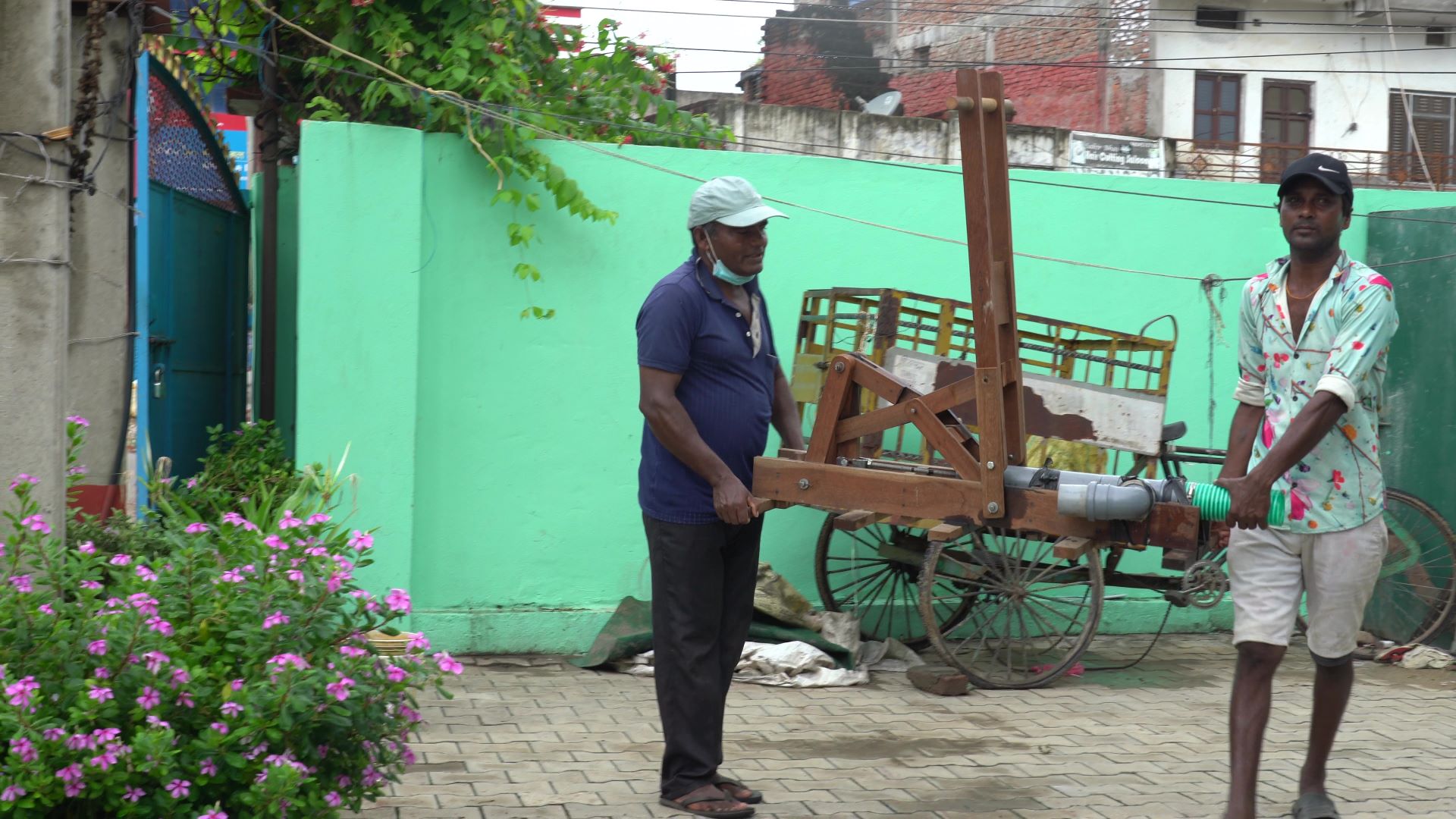
Bardiya: Nepal Engineering College has introduced a manually operated wooden device called the ‘Gulper’ for safe sanitation. Originally imported from the imperial College London UK, the Gulper has now been localized using Nepal’s own resources, skills, and materials.
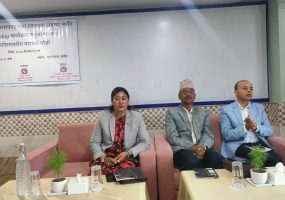
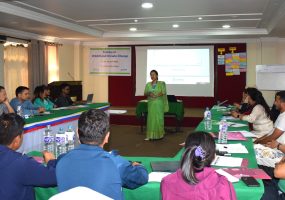
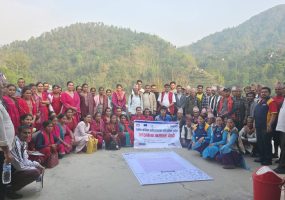
The college publicly unveiled the wooden Gulper in Gulariya Municipality of Bardiya with the involvement of local government representatives, sanitation activists, and sanitation workers.
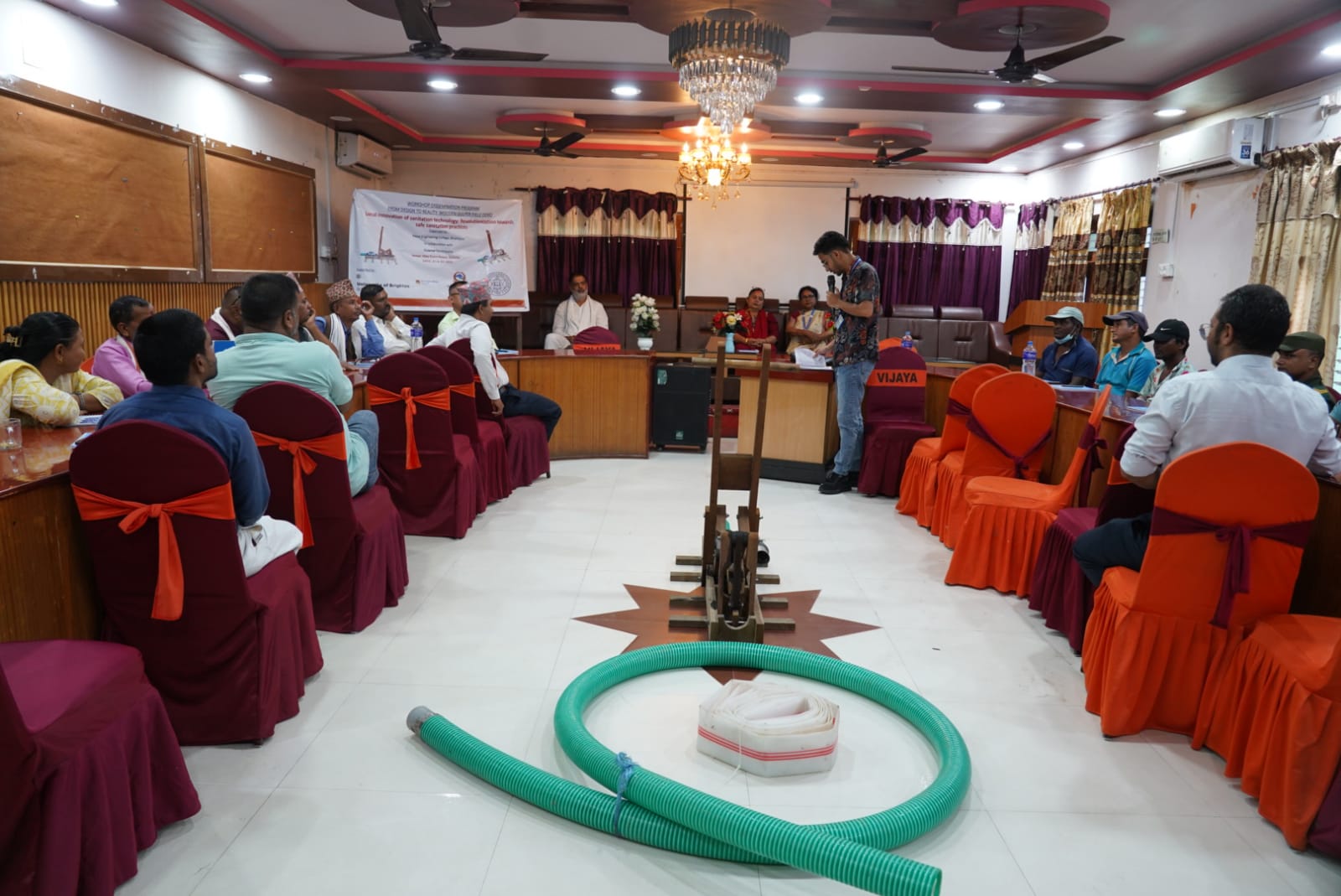
During the event, Professor and researcher Sabitri Tripathi of Nepal Engineering College explained that her study conducted from 2021 to 2024 in Gulariya revealed that unsafe sanitation practices had contaminated underground water, posing serious public health risks. She noted that the search for a solution to this issue led to the introduction of the Gulper technology in Nepal.
“This innovation wasn’t just for the community in Bardiya,” she said. “It was also for the 89% of Nepal’s population who still rely on on-site sanitation systems. That research journey has brought us to the current stage of the Gulper.”
After being introduced in Nepal, the Gulper was piloted in Bardiya Municipality. According to Tripathi, sanitation workers tested it for three months, and the results were promising. “Communities that previously emptied septic tanks unsafely using traditional methods showed strong interest in this technology,” she added.
Why is the Gulper Essential for Safe Sanitation?
The introduction of the wooden Gulper has brought new hope to communities for safe fecal sludge management. Ward Chairperson of Gulariya Ward No. 9, Hari Paswan, stated that this tool could become essential for every ward. “It will be very useful for those who live in areas inaccessible by vehicles or those who can’t afford vacuum tankers, even if accessible,” he said.
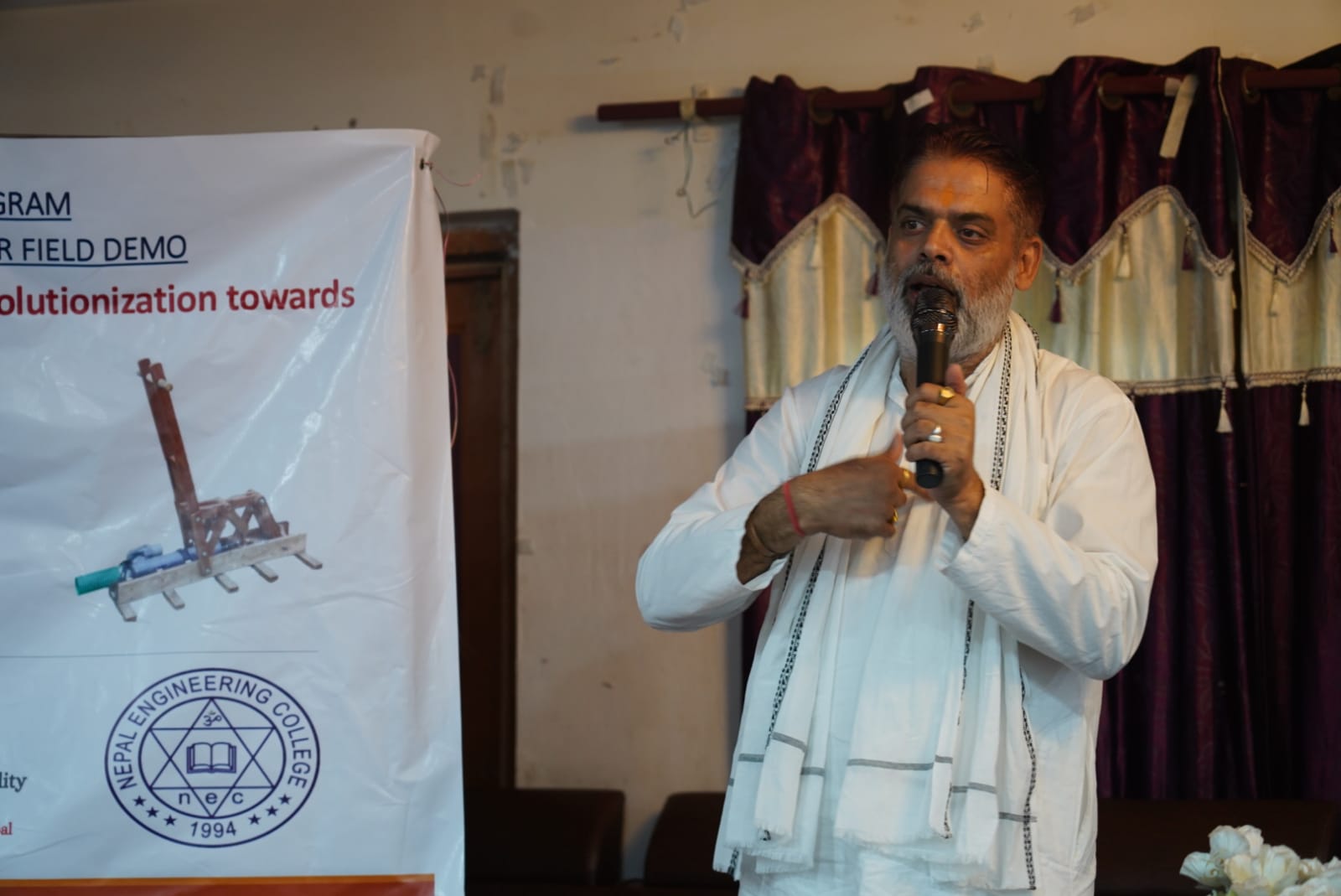
Mukunda Aryal, Acting Chief Administrative Officer of Gulariya Municipality, shared that the municipality has already established a fecal sludge treatment plant and deployed vacuum tankers, which has contributed significantly to local revenue. However, in certain locations, vacuum tankers alone could not solve the problem, making the Gulper a necessary solution. He emphasized its utility for low-income households and densely populated settlements inaccessible to tankers.
“If we can produce it locally, just like we distribute mosquito nets and taps, we could distribute Gulpers in every ward to ensure safe sanitation access for people living below the poverty line,” Aryal added.
The Gulper Works Like a “Stand Tap”
Dr. Arun Satyal, Associate Professor at Nepal Engineering College, explained that the Gulper operates on a principle similar to that of a stand tap (commonly used water tap system). He also clarified the differences between the older aluminum Gulper and the newly developed wooden one.
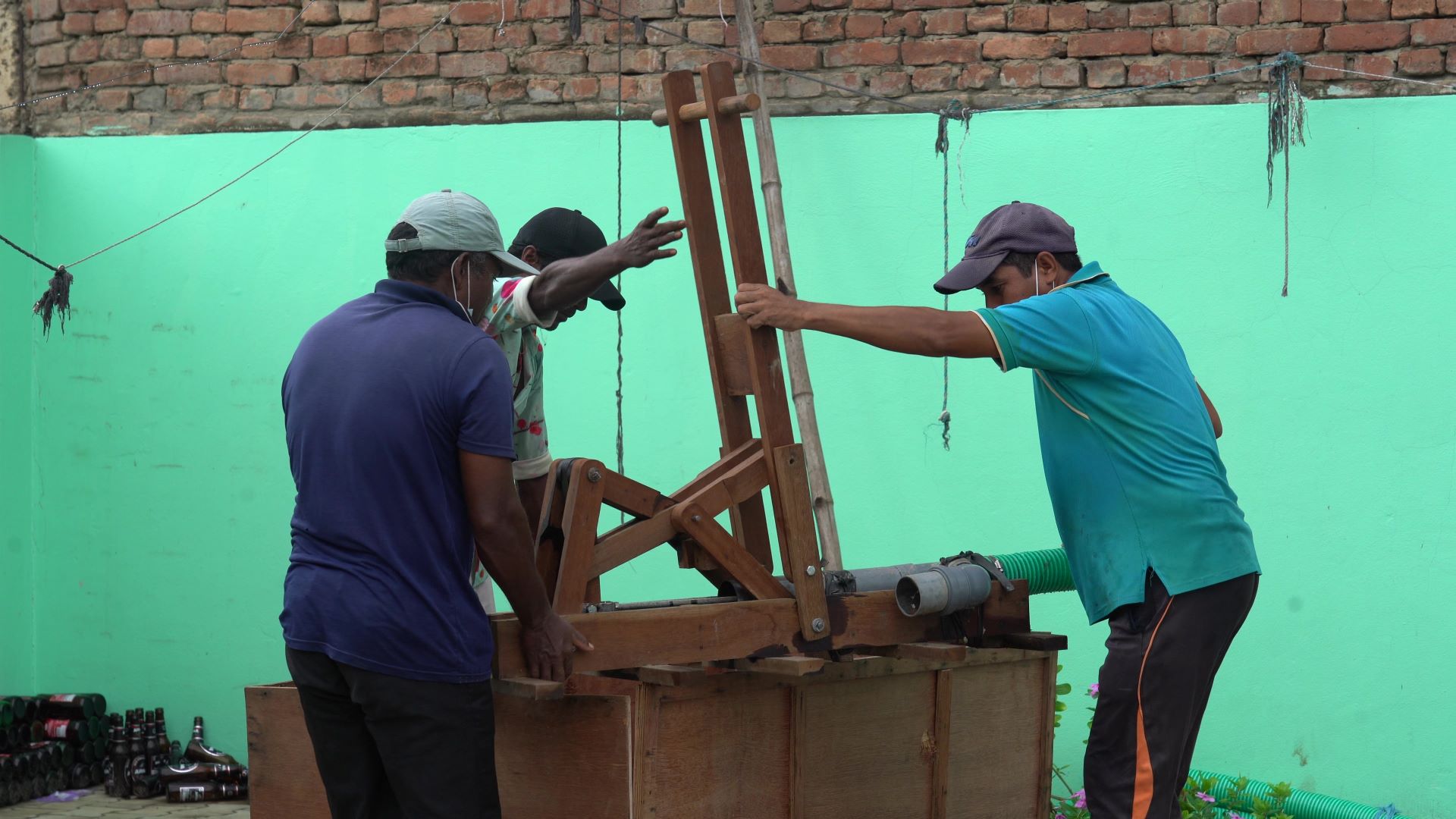
He stated that the earlier aluminum version lacked durability due to difficulty in repair once broken, leading to the decision to design a wooden alternative. “This machine can be built even by local carpenters; you don’t need a mechanical engineer,” he said. “It uses locally available materials like wood and items from hardware stores, so there’s no need for imported parts.”
He also highlighted improvements like removing the earlier filtering mesh and instead adding a manually accessible section for clearing blockages. “It’s not complicated; it’s easy to build but highly effective,” he remarked.
Municipality Pledges to Promote Local Production
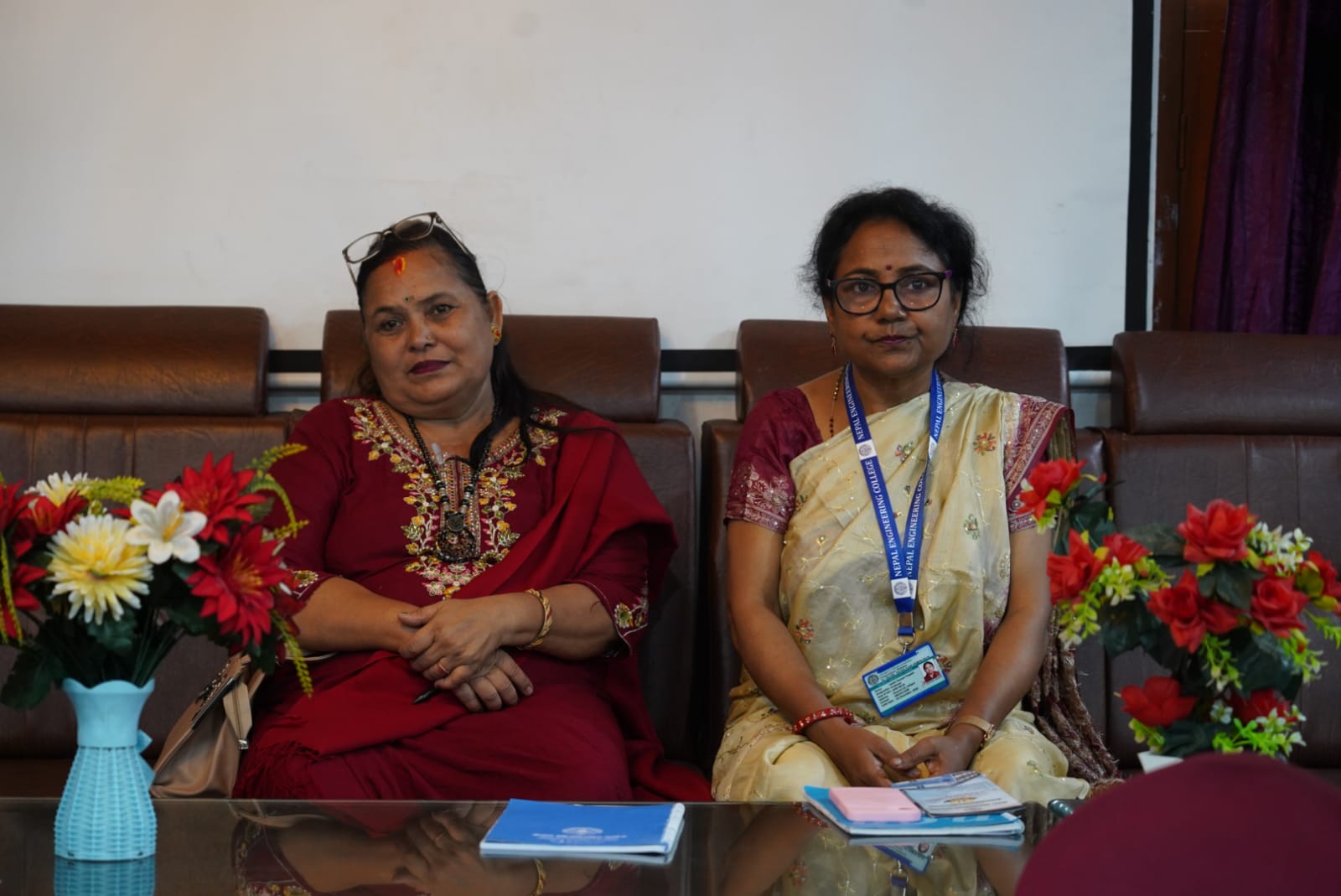
Gulariya Municipality’s Deputy Mayor Sabitra Gautam remarked that although the Gulper seems like a small device, it serves a big purpose. She said that in a densely populated and socially diverse area like Bardiya, the Gulper could play a significant role in promoting safe sanitation.
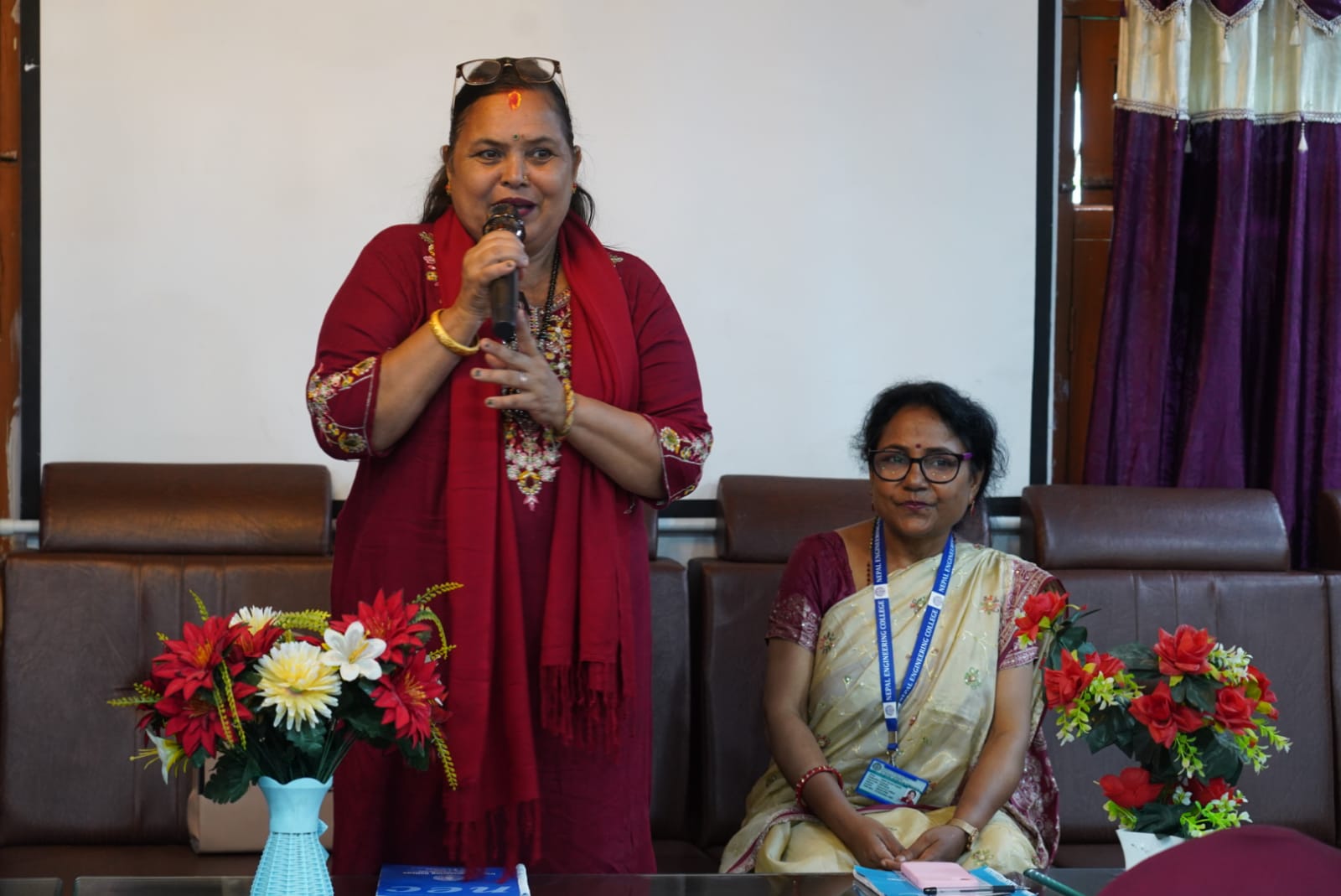
Recalling earlier uses of the Gulper, she mentioned its effectiveness in areas where large vehicles couldn’t reach. “In congested settlements, people were forced to remove fecal sludge with buckets by hand. This device can relieve them from that burden,” she said.
She also emphasized the need for manpower and pledged to bring up the matter in the municipality’s executive meetings to explore ways for local production and adoption of the Gulper.
Simple, Effective, and Environment-Friendly
The Gulper technology is especially effective in areas where mechanical equipment or vacuum tankers are unavailable. Made from wood, rubber pipes, valves, and operated through manual pressure, it doesn’t require electricity or fuel, making it both eco-friendly and cost-effective, according to experts.
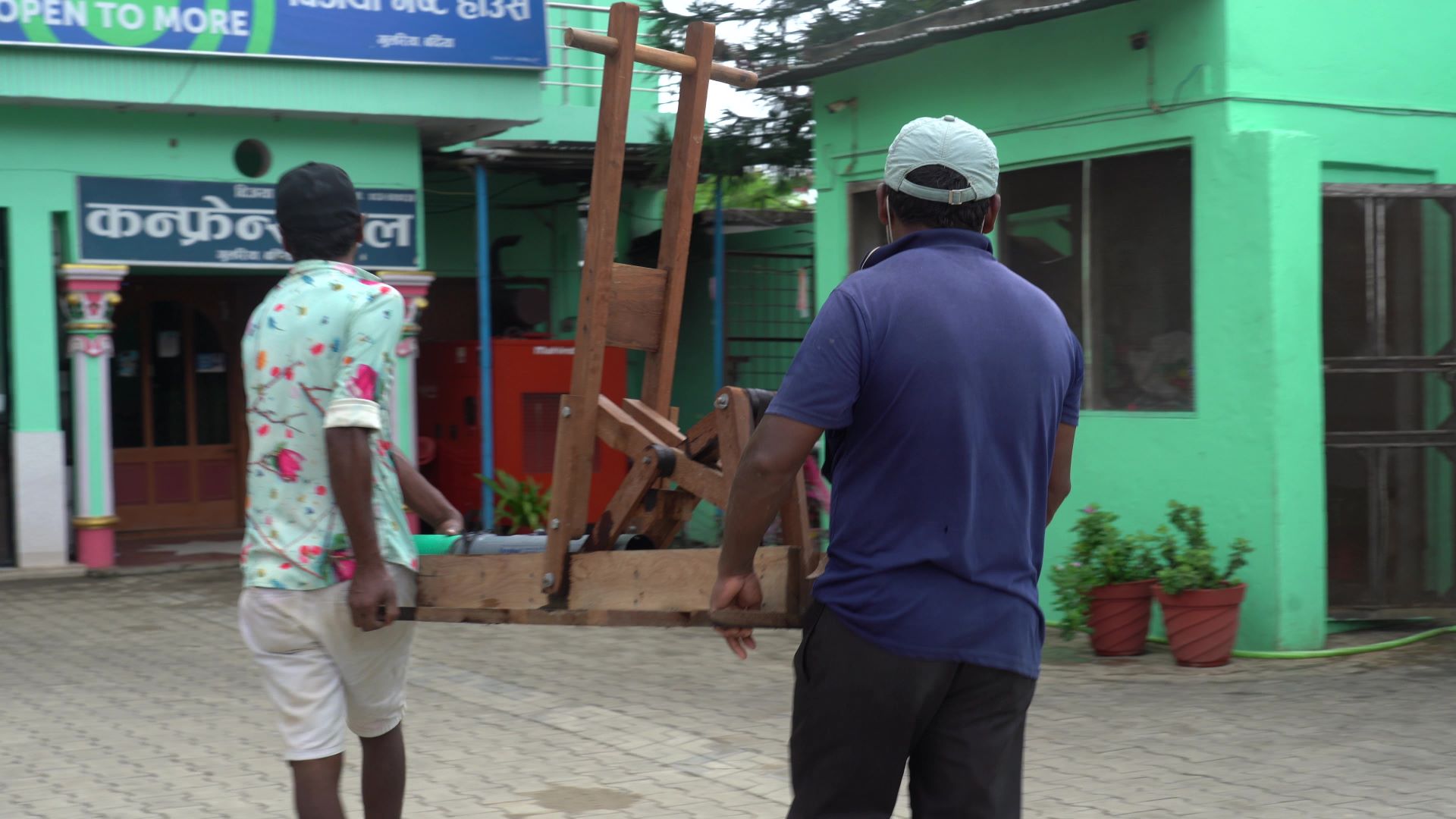
This locally innovated wooden Gulper is expected to make the journey toward safe, dignified, and sustainable sanitation services more practical and inclusive.