63 पटक हेरिएको
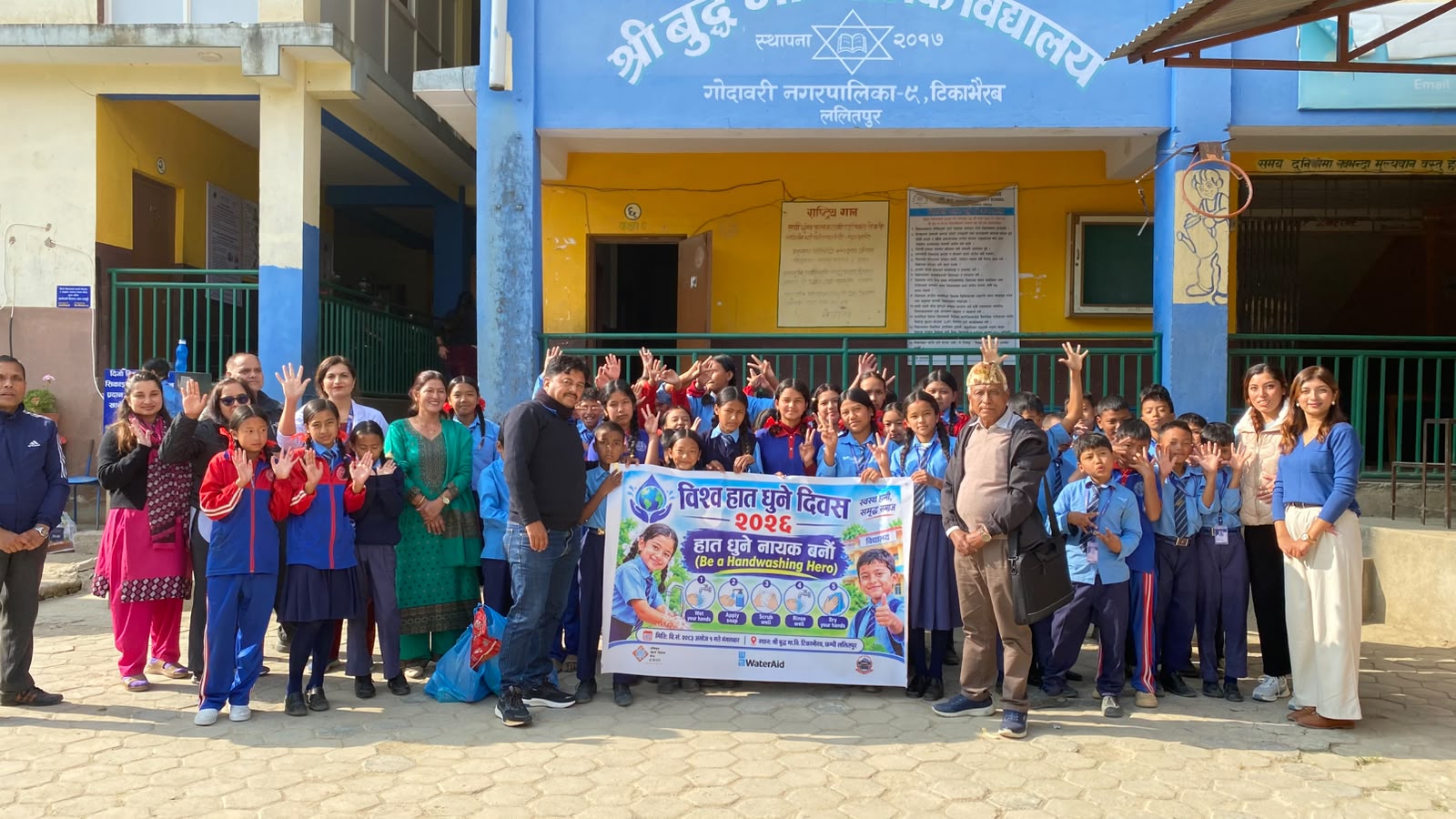
Every year on 15 October, the world pauses to talk about something we do many times a day without thinking: washing our hands. This year, the day fell during the festival vacation, so the students of Shree Buddha Secondary School in Tikabhairab, Lalitpur, had to wait. When classes resumed, the celebration followed. On 17 November, Global Handwashing Day 2026 came to the school under the theme “Be a Handwashing Hero.”
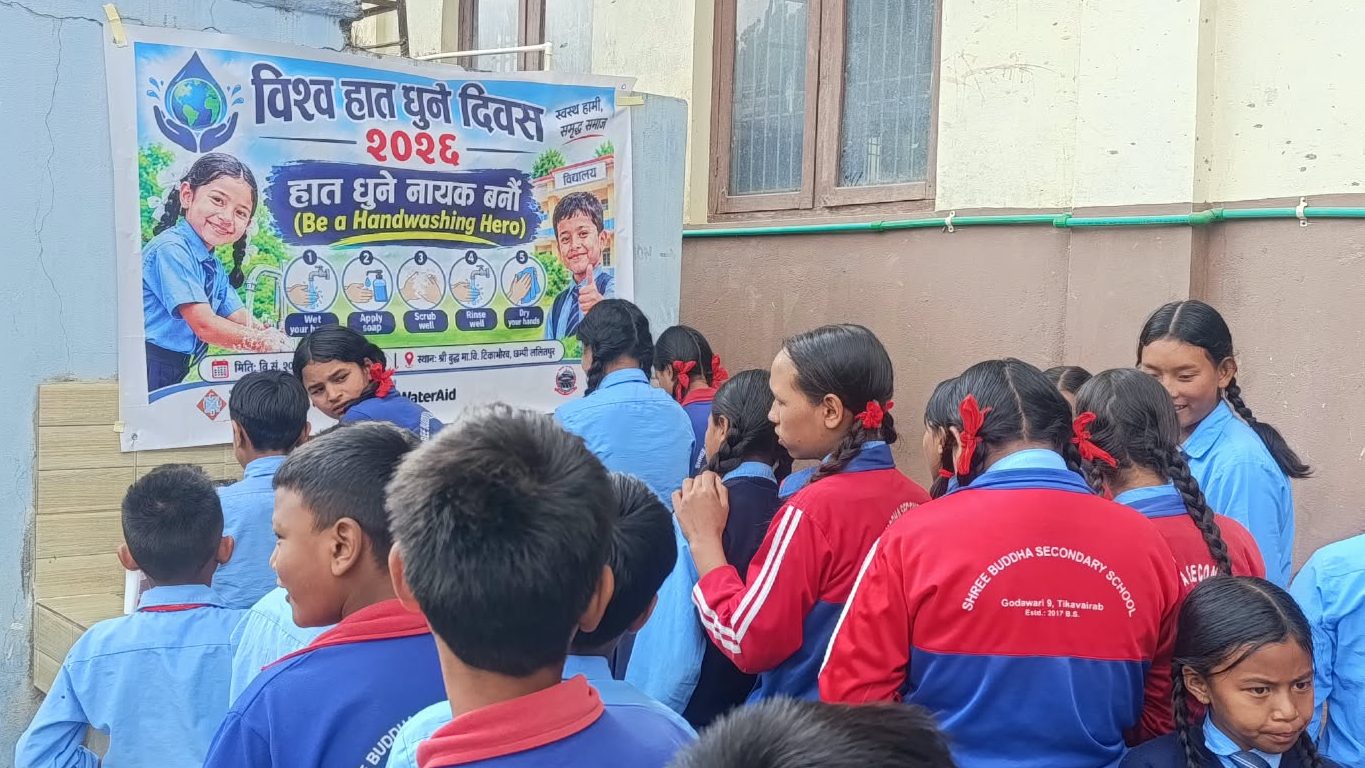
The program was organized by the Centre for Integrated Urban Development (CIUD) under its Chhampi WASH Project, in partnership with WaterAid Nepal. Students of Classes 6, 7 and 8 took part, 78 in total, with 41 girls and 37 boys. The school nurse, Ms. Ashmita Kharel, joined the session alongside them.
More than a lesson on soap
The session was led by Ms. Saru Deshar, Hygiene Officer at CIUD. She opened with a simple question for the students: why are clean hands still important? The answers she guided them toward were clear. Handwashing with soap helps prevent diarrhoea, pneumonia, respiratory infections, eye infections and hepatitis A, illnesses that keep children away from classrooms and put pressure on families.
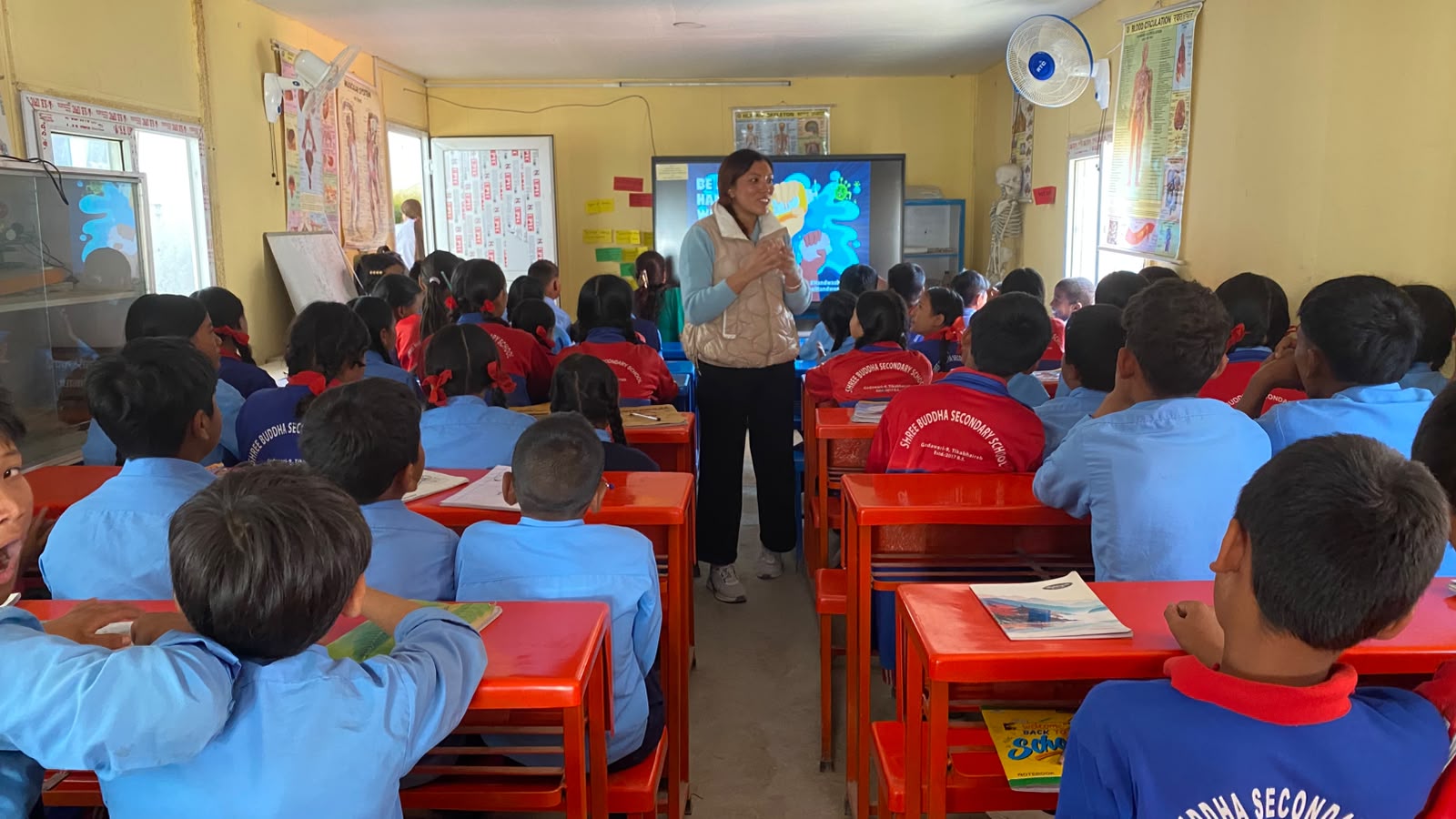
Students also learned the moments when handwashing matters most: after using the toilet, after coughing, sneezing or blowing the nose, when hands look dirty, after touching animals or their sheds, before eating, and after playing outside.
Six steps, practiced for real
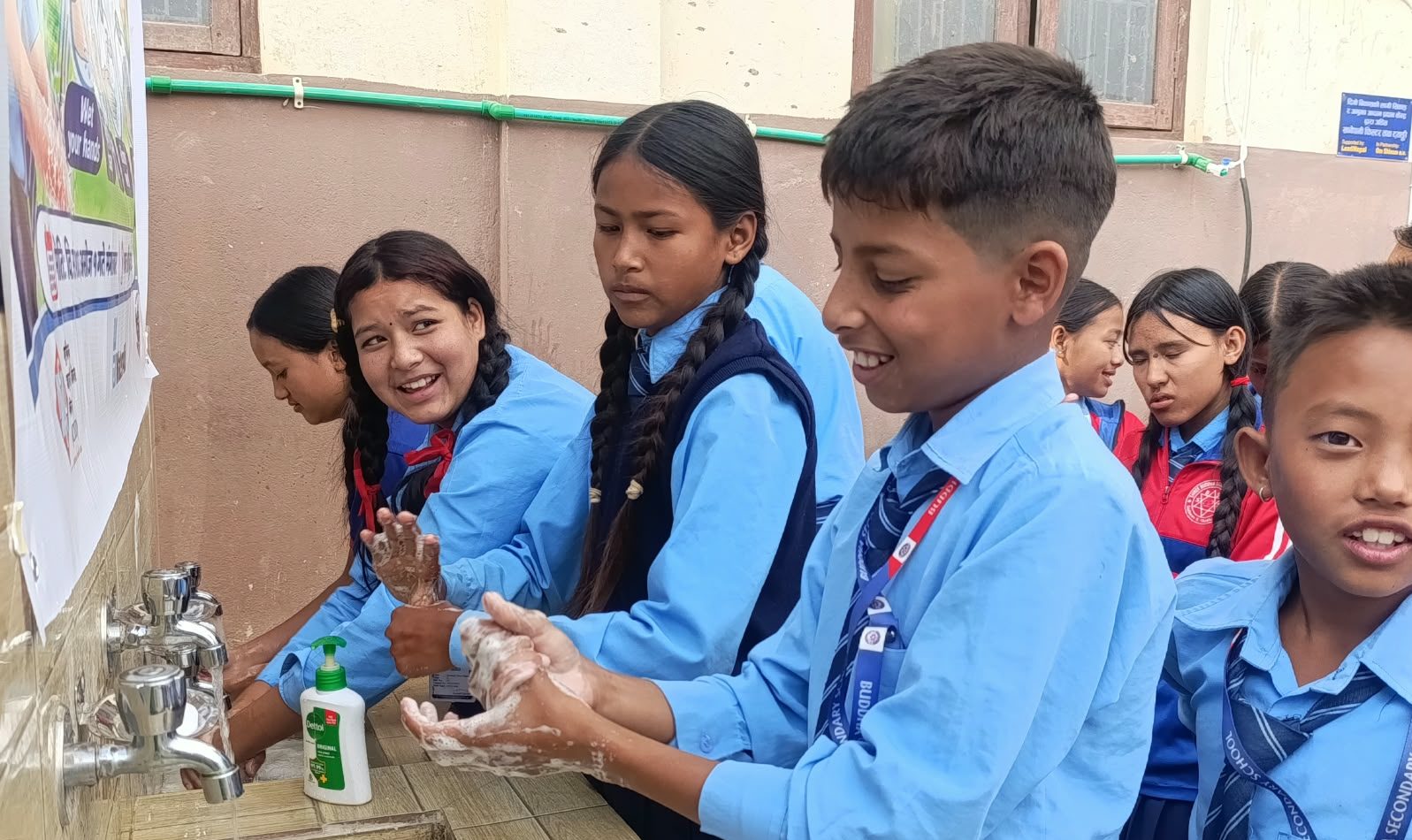
The part students enjoyed most was the practice. Ms. Deshar demonstrated the six steps of proper handwashing, and the students followed along: palm to palm, back of the hands, back of the fingers, base of the thumbs, fingertips with fingers joined, and finally the nails. Group by group, they then went to the school’s handwashing station and tried it with soap and water, with the facilitator correcting their technique along the way. Many students shared what they already knew with their classmates before trying the steps themselves.
Supporting the school’s hygiene routine
To help the school keep these habits going, CIUD handed over hygiene and sanitation materials, including soap, liquid hand wash, towels, toilet brushes, Harpic, gloves and gumboots.
Why it matters
Handwashing with soap is one of the simplest and most affordable ways to prevent common childhood illnesses. It needs no special equipment, only soap, water and the habit. Schools are a good place to build that habit, because children often carry what they learn home to their siblings, parents and neighbours.
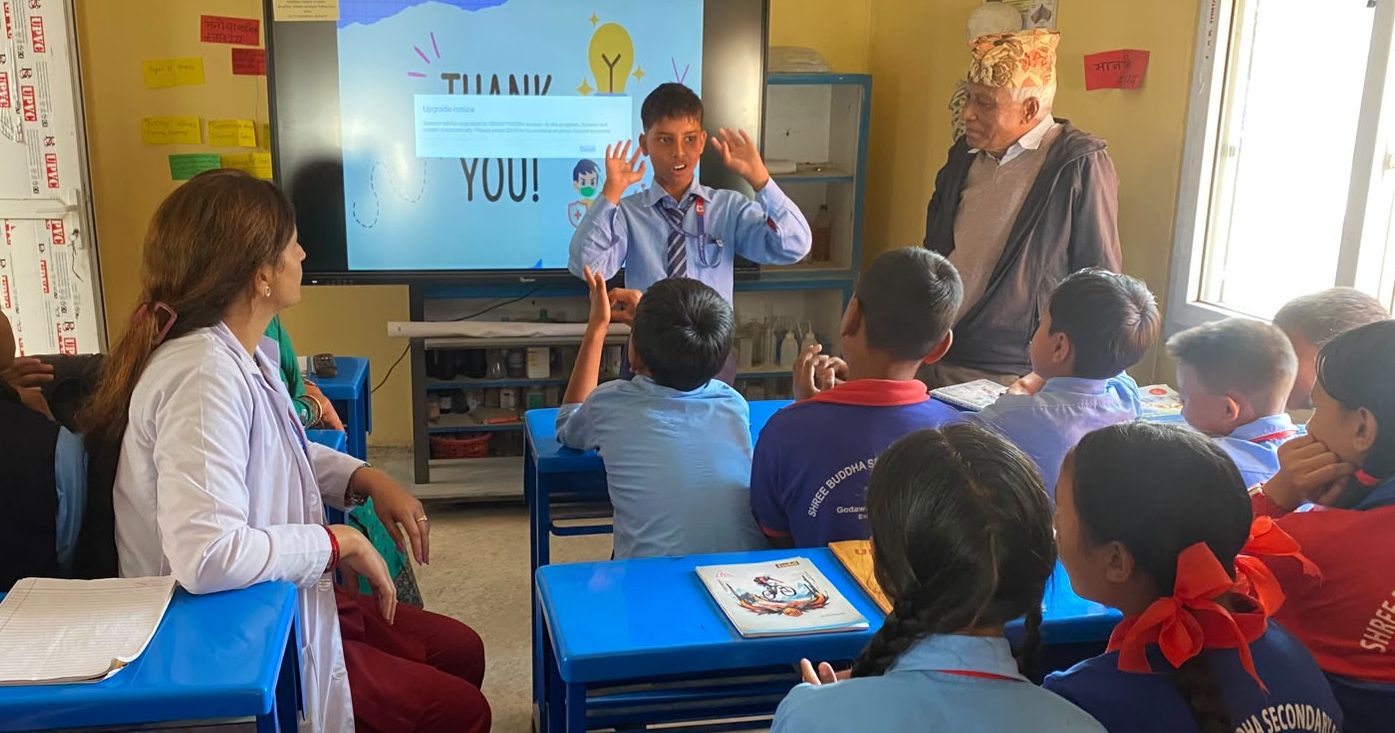
The program ended with a handwashing demonstration and a group photo. The hope is that these students become real handwashing heroes in their classrooms, homes and community, one wash at a time.