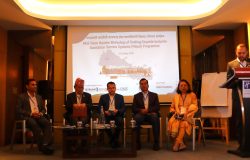
• NWSSRICDC expands CWIS training nationwide

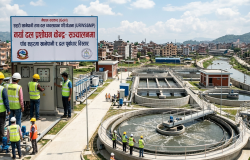
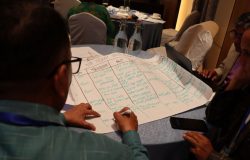
    Kathmandu : The National Water Supply and Sanitation, Research, Innovation and Capacity Development Center (NWSSRICDC), in collaboration with UN-Habitat and the Gates Foundation, is advancing a series of capacity-building initiatives under the “Scaling Citywide Inclusive Sanitation Service Systems (Nepal)” project....

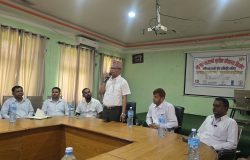
  • Safeguarding Training Workshop Kicked-Off

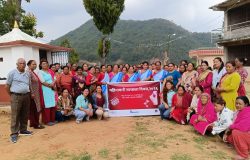
    Kathmandu : A two-day Workshop on Safeguarding has been started today in Kathmandu, organized by Start Network Nepal which is working on disaster response since 2021 AD in Nepal. Major objective of the workshop is to strengthening organizational safeguarding systems, practices and accountability mechanisms related to...

  • Nepal Showcases Strong Presence at WDCE in Thailand

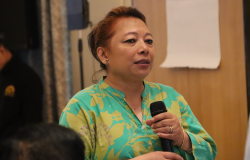
    Kathmandu: Nearly 50 representatives from Nepal are participating in the Water & Development Congress & Exhibition (WDCE) 2025, currently taking place in Bangkok, Thailand. The delegation is led by Pramila Devi Shakya Bajracharya, Secretary at the Ministry of Water Supply. Organized by the International Wate...

  • Getting Used to Tap Water Distributed Through a Piped System…

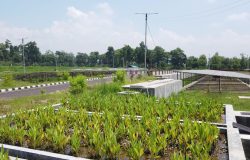
    Sarlahi: In some villages of the Terai, many people still consider handpump water to be superior. They believe that handpump water is cold in summer and warm in winter, and thus, many are reluctant to drink water from piped systems. However, gradually, with increasing public awareness and improvements in water supply...

  • Low-Income Families Lead in Regular Payment of Drinking Water Tariff

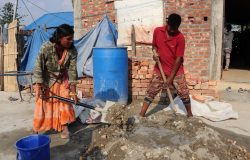
    Sarlahi: Phulkumari Devi of Pidari, Haripur Municipality–9, Sarlahi, never needs repeated reminders to pay her drinking water tariff. Within a week of the Haripur Water Supply and Sanitation Management Board staff taking the meter reading, she visits the office to clear her dues. The Board has a provision of offerin...

  • Breaking Barriers: Why Inclusive Toilets Matter for Everyone

    Kathmandu: Among the basic needs of daily life, access to toilets is a primary necessity. However, in many parts of Nepal, toilets are not accessible for persons with disabilities, forcing them to face difficulties even in using basic services. Accessible toilet facilities are not only essential for persons with disa...