• Expert Inclusive Task Force Formed to Implement Fecal Sludge Management Act

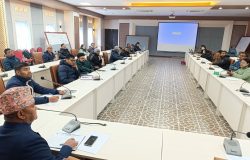
    Kathmandu: Mechinagar Municipality of Jhapa has decided to effectively implement the Fecal Sludge Management Act, 2082. A stakeholders’ meeting on fecal sludge management, chaired by Mayor Gopal Chandra Budhathoki, held extensive discussions on the matter. The meeting decided to form a five member Task Force compri...
  • Neglecting Vent Pipes in Septic Tanks Poses Serious Health and Safety Risks

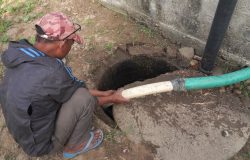
    Kathmandu: Whether at home, school, office, or public toilet, one small yet extremely important structure is often overlooked in septic tanks the vent pipe. Many people assume, “The tank is built, the work is done.” However, this mindset can lead to serious health, safety, and structural problems in the future. As h...

  • The Launching of the WASH Project at Chhampi, Godawari Municipality

    Lalitpur : With technical and financial support from WaterAid Nepal and The Coca-Cola Foundation, the Centre for Integrated Urban Development (CIUD) has launched a new WASH project in Godawari Municipality to improve access to safe and reliable drinking water. The project, titled “Advancing Resilient WASH Access f...

  • Working in Risk: Sanitation Workers Speak Out in Kathmandu

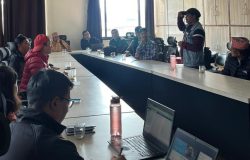
    Kathmandu: An interaction programme was held with sanitation workers on issues related to their rights, dignity, and safety. The interaction was organized among the Ministry of Water Supply, the Department of Water Supply and Sewerage Management, Lalitpur Metropolitan City, WaterAid Nepal, Environment and Public Hea...

  • Why is micro level data the foundation of effective sanitation systems?

    Sanitation does not only mean whether a household has a toilet or not. Real sanitation means that the entire sanitation value chain from the safe containment, transportation, treatment, and final disposal of human excreta after the toilet is used is properly and safely managed. In most cities of Nepal, data are avai...

  • From Toilets to Treatment: Lalitpur Begins In Depth Citywide Sanitation Survey

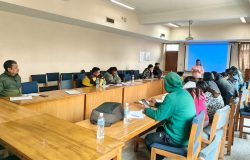
    Lalitpur: In Lalitpur Metropolitan City, very detailed (micro-level) sanitation-related data will be collected through a Citywide Inclusive Sanitation (CWIS) situation assessment survey. While previous studies were mostly limited to asking whether a household has a toilet or not and, if yes, what type of toilet it i...

  • Why Do People Die While Cleaning Septic Tanks? How Can It Be Prevented?

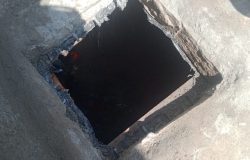
    Kathmandu: In recent years, incidents of sanitation workers losing their lives due to suffocation while cleaning septic tanks have been repeatedly reported from different parts of Nepal. Toxic gases accumulated inside septic tanks such as hydrogen sulfide, methane, and ammonia are extremely dangerous to human health....

  • Why Onsite Sanitation Is Essential for Safely Managed Sanitation

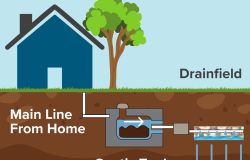
    Sanitation is directly linked to human health, environmental protection, and a dignified life. Without access to safe toilets, neither a healthy community can be built nor can water sources be protected. In this context, for a geographically diverse country like Nepal, onsite sanitation has increasingly been establi...

  • DEWATS: A Sustainable Alternative for Wastewater Treatment

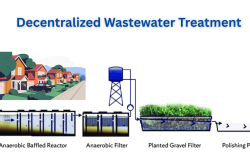
    Kathmandu: Managing wastewater safely in cities and settlements has become one of today’s major challenges. At a time when centralized sewerage systems are becoming increasingly expensive, complex, and costly to operate in the long run, the Decentralized Wastewater Treatment System (DEWATS) is being adopted worldwide a...