520 पटक हेरिएको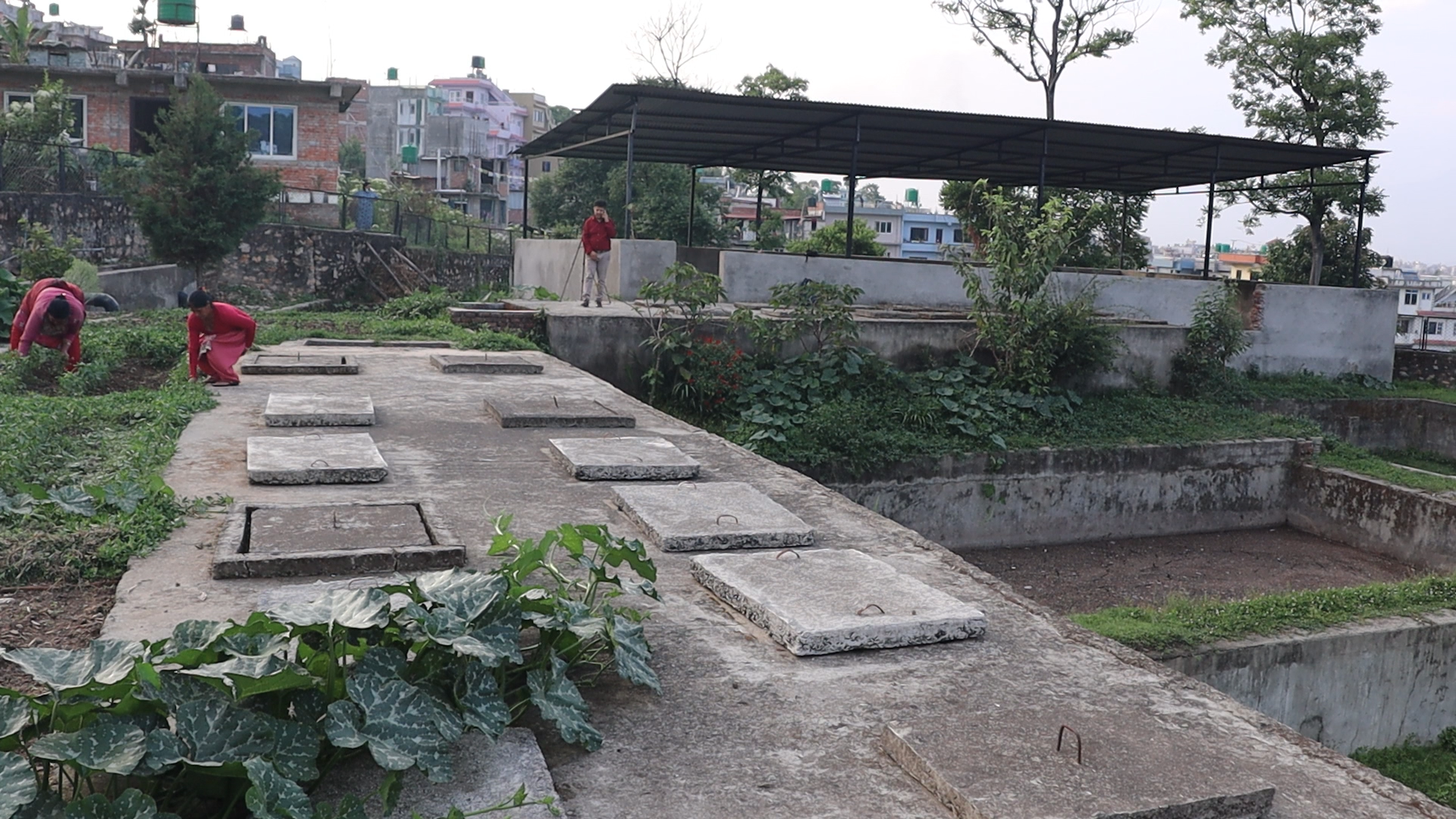
Lalitpur: In Ward No. 14 of Godawari Municipality, there is a unique practice that offers a different perspective on sanitation management in Nepal. We often hear about drinking water and sanitation user committees, but here a separate user committee has been established specifically for sewerage management.

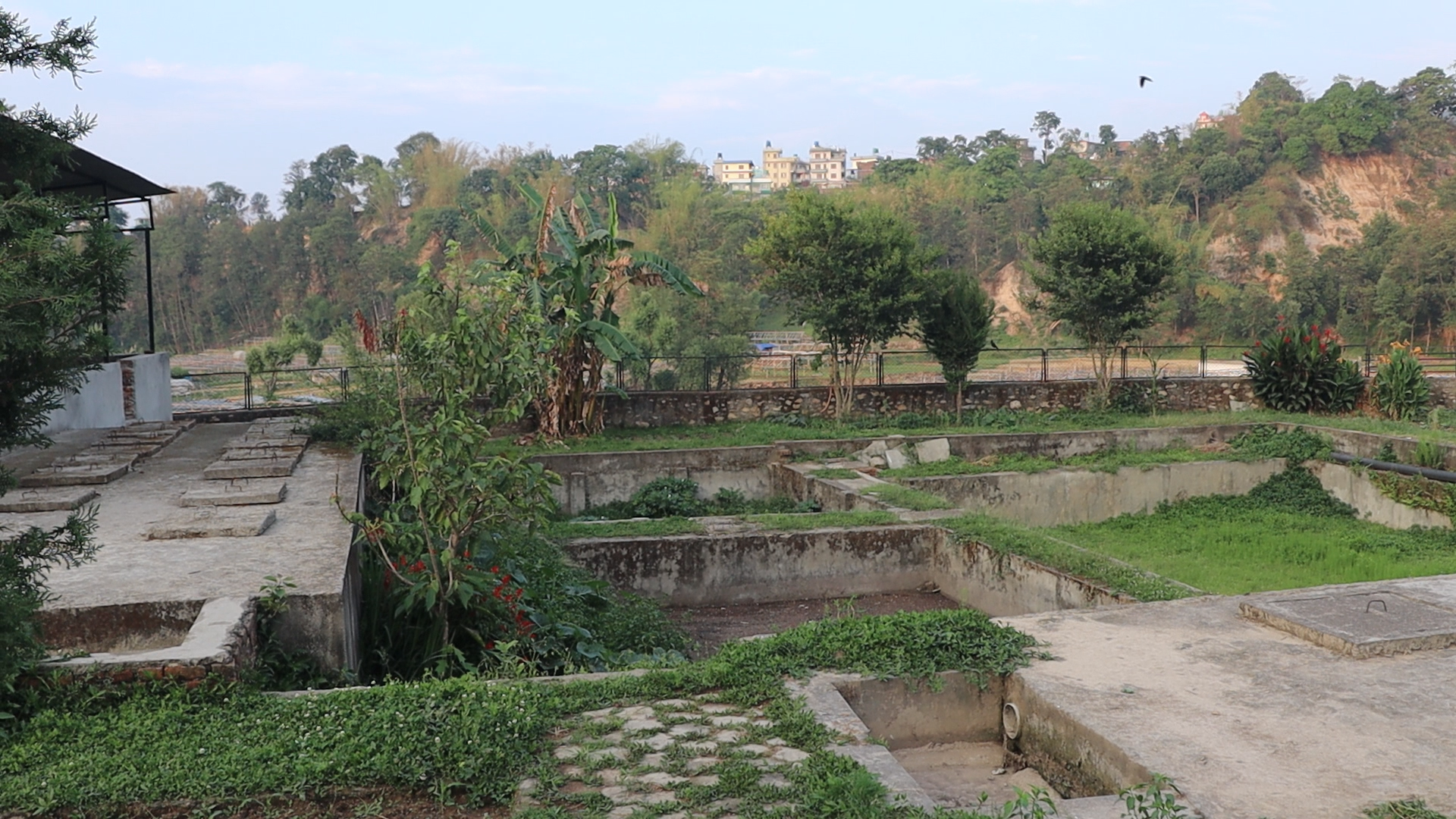
The Thaiba–Badegaun Sewerage Management User Committee, located in Thaiba of Godawari Municipality–14, has been managing the sewerage system of around 700 households for the past ten years. This community-managed initiative demonstrates that a sustainable sanitation system is possible at the local level when the community itself takes ownership of management.
According to the committee’s chairperson, Romlal Maharjan, the origin of this sewerage management system dates back much earlier. The then Department of Water Supply and Sewerage had initiated a plan to construct wastewater treatment plants as pilot projects in Thimi and the then Thaiba VDC of Lalitpur. As part of this initiative, a wastewater treatment plant was established in Thaiba.
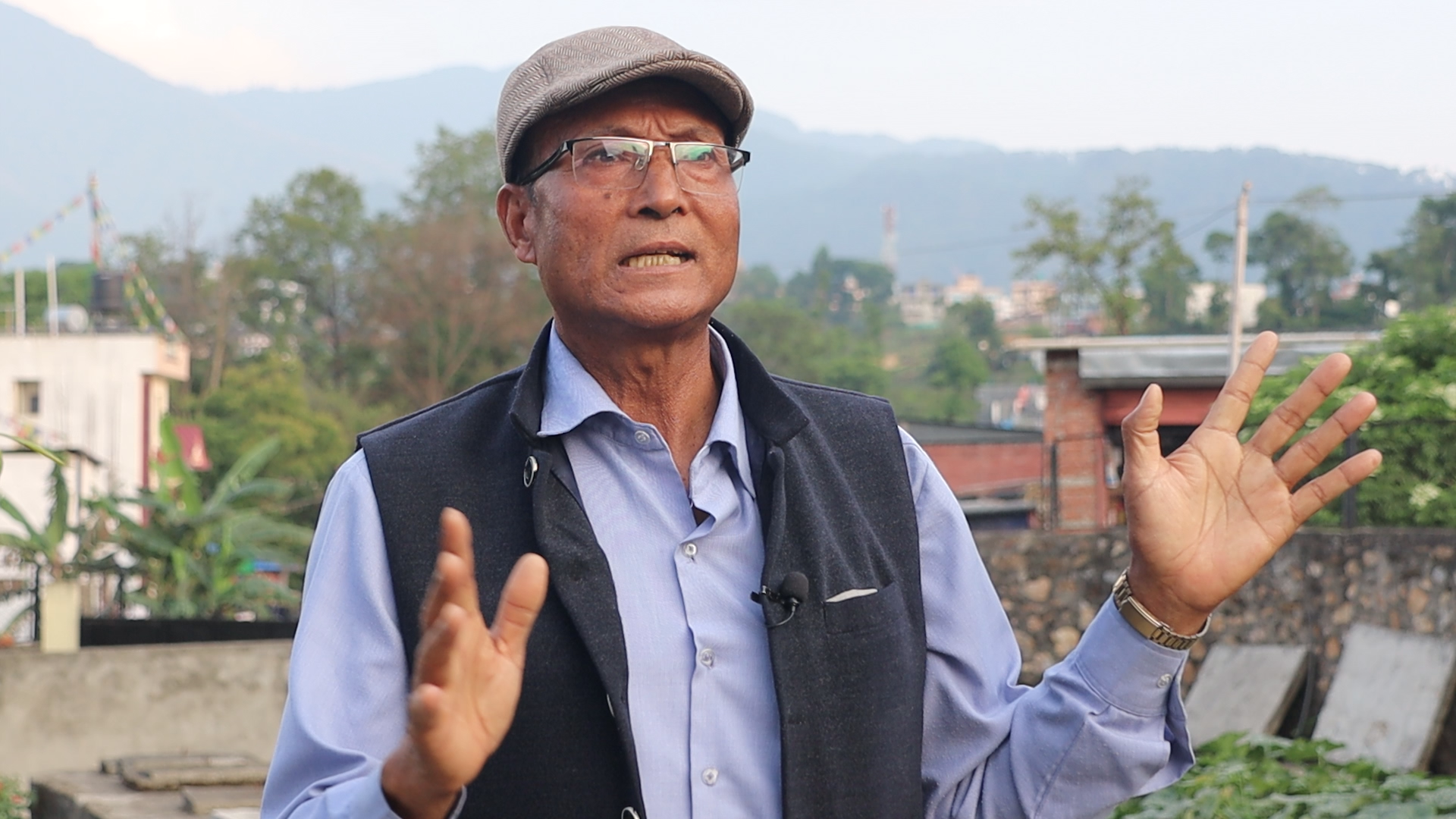
“The survey and design were completed in 2001 (2058 B.S.), and after construction the system was brought into operation,” said Chairperson Maharjan. According to him, once the construction was completed, the community took responsibility for its management.
Like many pilot projects over time, this facility could also have fallen into neglect. However, the local residents of Thaiba–Badegaun did not allow that to happen. They formed the Sewerage Management User Committee and continued the operation and management of the system. Chairperson Maharjan said that the wastewater treatment plant is still operating in its original condition since the time it was constructed.
Through this system, wastewater from around 700 households is currently being collected, treated, and managed. The active participation and sense of ownership of the community have enabled the system to remain operational for decades.
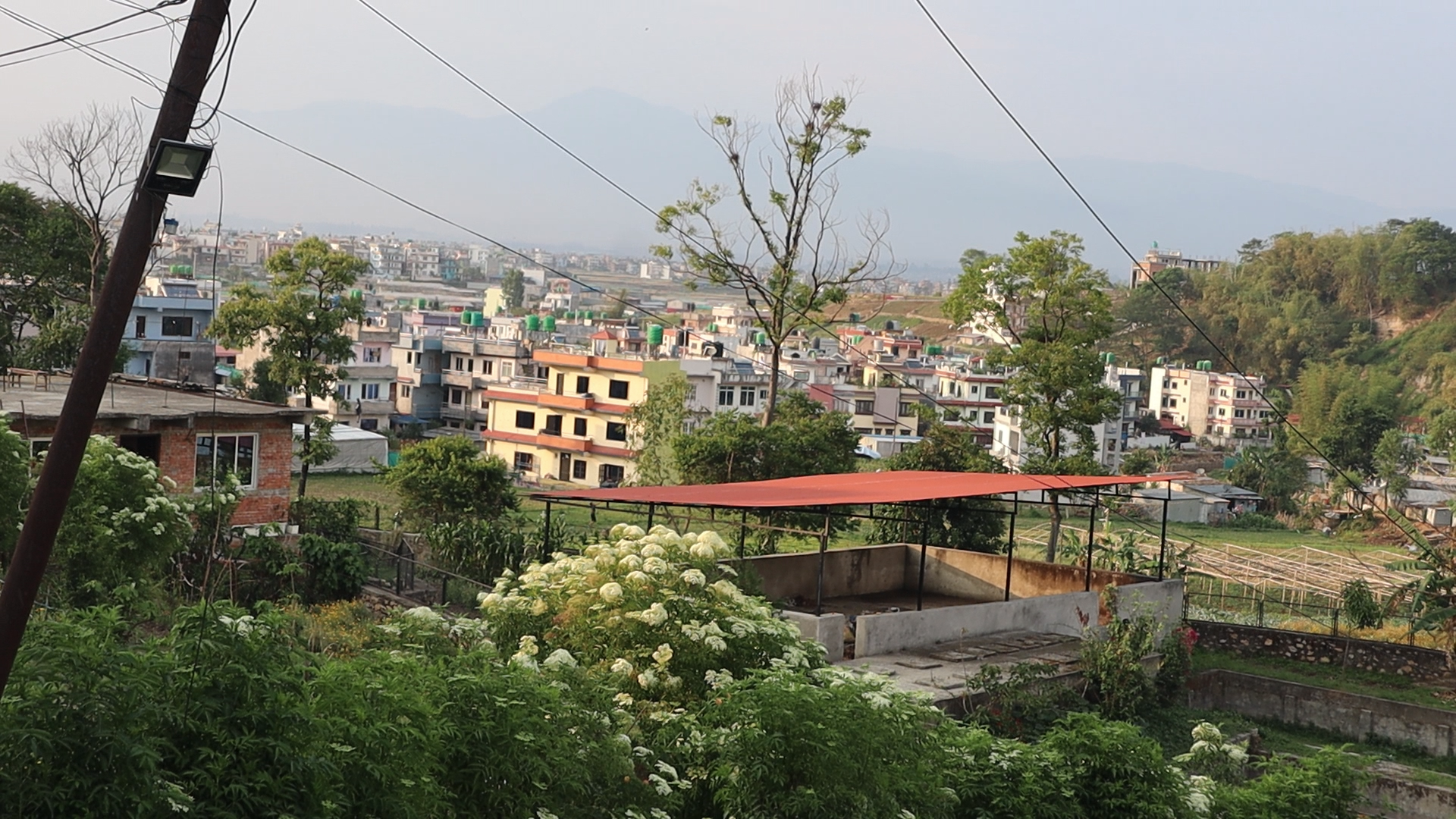
Due to rapid urbanization, many houses constructed later could not be connected to the treatment system. However, wastewater from around 700 households is still being treated through the existing facility. Maharjan emphasized that the plant’s capacity cannot be expanded due to limited space and infrastructure, and the government needs to construct larger wastewater treatment plants.
At a time when many cities in Nepal are still struggling with sewerage management challenges, the practice in Thaiba–Badegaun delivers an important message: sewerage management is not solely the responsibility of the government sustainable solutions are also possible through active community participation.