764 पटक हेरिएको
Introduction
Nepal, often called the water tower of Asia, is blessed with abundant water from Himalayan glaciers and monsoon rains. However, this abundance has some challenges for achieving equality for all Nepalese. As the world celebrates the 34th World Water Day 2026 under the theme “Where Water Flows, Equality Grows,” Nepal’s experience highlights both the challenges and opportunities in ensuring fair access to water. Recent research shows that climate change worsens extreme water-related challenges, especially for vulnerable rural communities (Nepal et al., 2025; Singh et al., 2025). This article discusses how Nepal can develop inclusive and resilient water, sanitation, and hygiene (WASH) systems to adapt to climate change.
Nepal’s Water Challenge
Despite progress in expanding water access, many rural communities still face challenges in ensuring reliable, safe water. Most rural water systems in Nepal face significant challenges. Research indicates that three out of four water systems are not resilient enough to withstand climate shocks and other pressures (Nepal et al., 2025). This means that when droughts occur or systems fail, they cannot recover quickly.
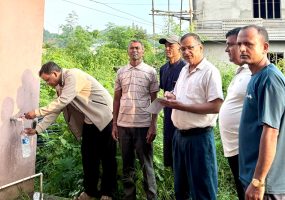
The gap between having water access and having safe water is noticeable. While most Nepalis now have some form of water access, only a small percentage have water that is truly safe to drink (Singh et al., 2026). This difference matters because unsafe water causes disease and keeps families trapped in poverty.
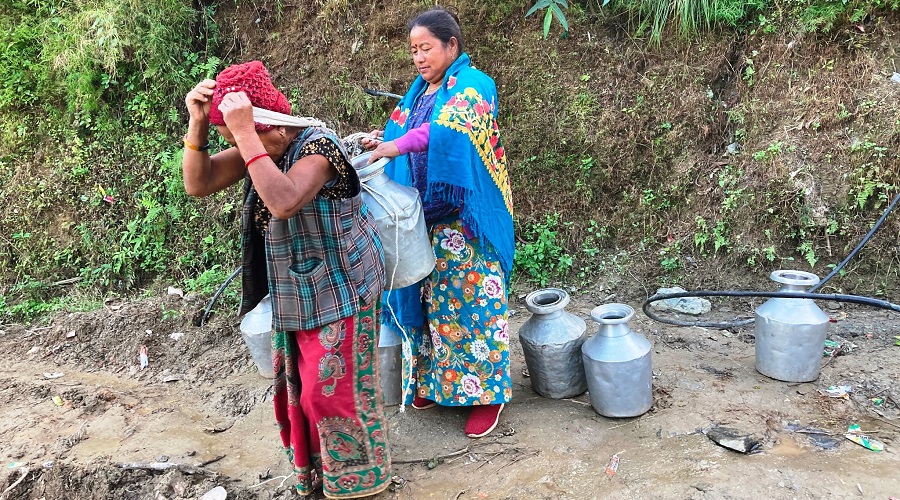
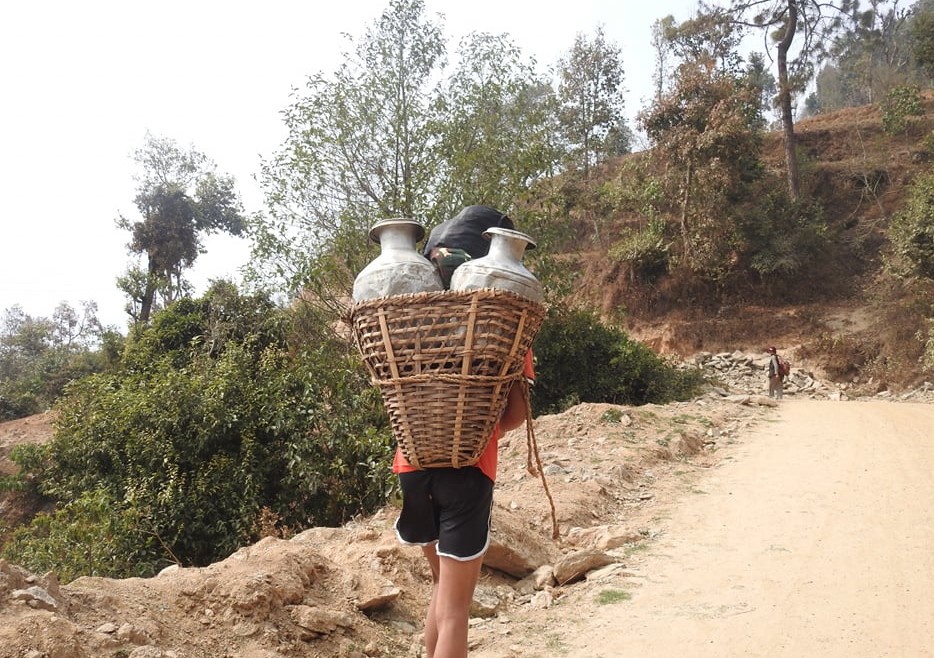
Water sources themselves are under threat. Many springs that communities have relied on for generations are drying up or producing less water. During the dry season, water shortages become severe, forcing people to travel long distances or use unsafe sources (Nepal et al., 2025).
Who Gets Left Behind?
Water inequality in Nepal follows clear patterns. Rural communities, especially those in remote mountain areas, face the greatest difficulties. Women and girls carry the heaviest burden, spending hours each day collecting water instead of going to school or earning income.
Marginalized communities, persons with disabilities, and poor households often have the least access to safe WASH services. Even when water systems are nearby, they may have a limited design for universal access. Taps may be too high for children or persons with disabilities to reach. Water points may be far from where marginalized communities live.
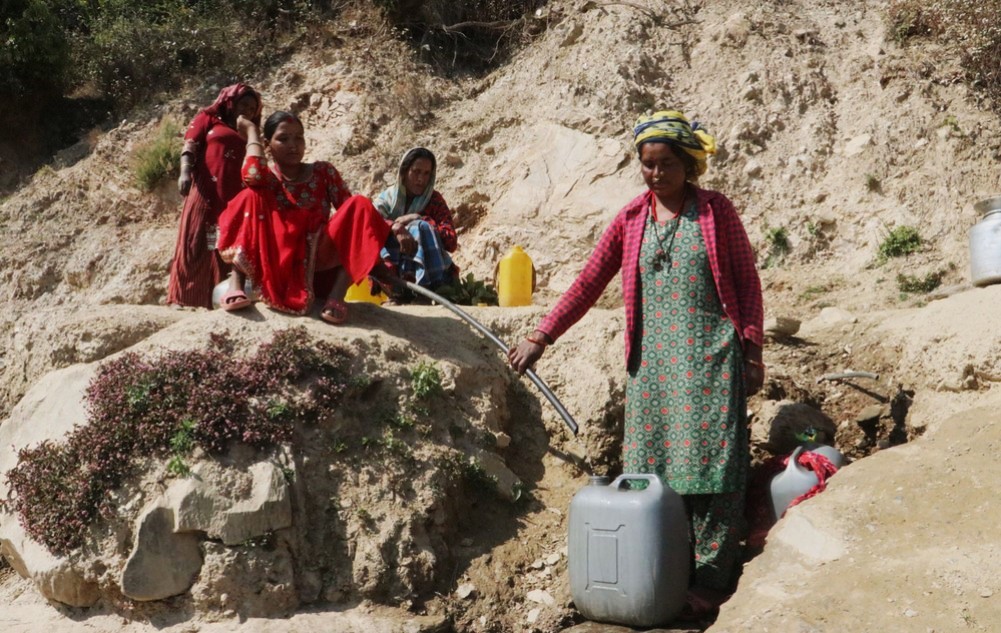
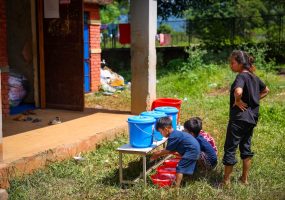
Sanitation gaps add to the problem. Some families still lack toilets, while others share facilities with neighbors. Many households lack adequate handwashing facilities because water supply is limited or facilities were not properly constructed (Singh et al., 2025; Singh et al., 2026).
Climate Change Makes Things Worse
Climate change acts as a threat multiplier, making existing water problems more severe. Drought is one of the biggest threats to water sources in Nepal. When droughts occur, springs dry up, rivers flow less, and water quality deteriorates (Nepal et al., 2025; Singh et al., 2025). Communities already experiencing water scarcity face even greater hardship during dry periods. The monsoon season brings different problems.
Heavy rainfall causes floods and landslides that damage water infrastructure, contaminate water sources, and erode infrastructure. Many communities report that their water becomes turbid and unsafe during the rainy season (Singh et al., 2025). These climate impacts disproportionately affect vulnerable populations.

When water systems fail, diseases like cholera and diarrhea spread more easily, affecting children and elderly people most severely (Singh et al., 2025). Families with fewer resources faced challenges to afford alternative water sources or medical care.
Why Systems Fail
The primary barrier to achieving water equality in Nepal is due to a weaker level of institutional capacity and governance systems. Most rural water systems receive little support from government or development organizations after the construction phase. Communities are responsible for managing and maintaining systems on their own, with limited training, funding, or technical support (Nepal et al., 2025; Singh et al., 2025).
Many water user committees lack the necessary skills in the long run. They have limited knowledge to test water quality, fix broken pipes, manage finances, or prepare to cope with the climate risks. Without this capacity, even well-designed systems deteriorate quickly (Nepal et al., 2025). Financial support focuses on building new systems rather than maintaining existing ones. This approach means many water projects face challenges within a few years of construction because there is limited money or a plan for repairs and upkeep (Singh et al., 2025).
Government policies (National Climate Change Policy 2019, Environmental Protection Act 2019, WASH Regulations 2024, and National WASH Policy 2023, etc.) recognize the importance of climate resilience and equity, but these policies are not well implemented or localized. Equity measures exist on paper but lack the tools and monitoring needed to make them real (Nepal et al., 2025; Singh et al., 2026).
Building Equality Through Community Strength
Despite these challenges, some communities in Nepal show how water equality can be achieved. The strongest water systems share common features: active community participation, good organization, inclusive, and participatory decision-making (Nepal et al., 2025).
In successful communities, water users work together to solve problems. They hold regular meetings, contribute to maintenance costs, and make decisions together about how to manage water during shortages. Some communities have created water-sharing rules that ensure everyone gets a fair amount during dry periods (Nepal et al., 2025).

Women’s participation is crucial. When women are involved in planning and managing water systems, the systems work or function better for everyone. Women understand household water needs and can ensure that water points are located conveniently and safely (Joshi & Ghimire, 2024).
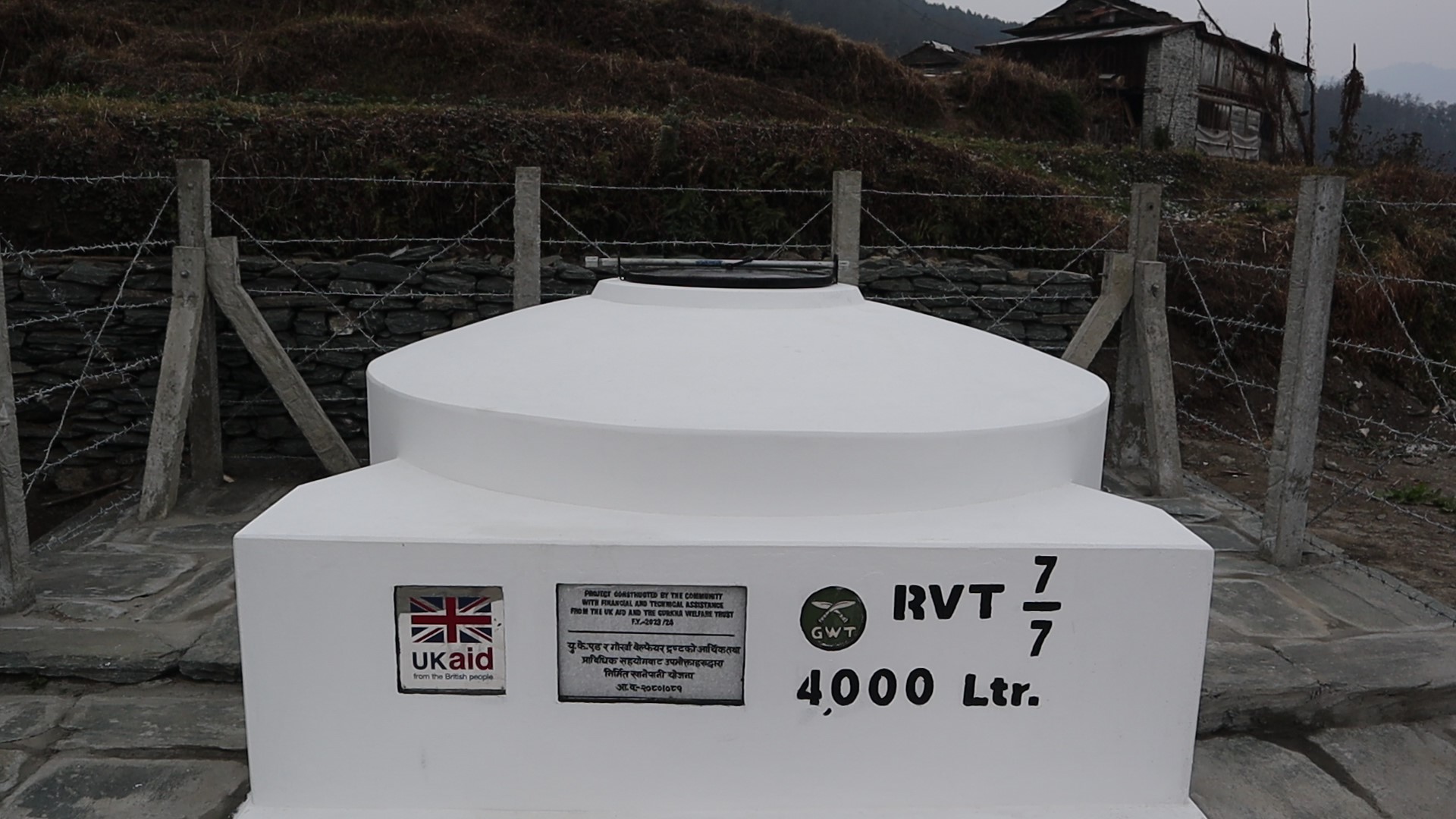
Protecting and conserving water sources is essential. Communities that build proper structures around spring sources, fencing the source areas, and plantations to prevent erosion have more reliable water supplies. These simple measures help sources withstand climate impacts (Nepal et al., 2025).
Making WASH Systems Inclusive
True equality means everyone can access WASH services with dignity. Inclusive WASH systems are designed to serve all people, including those with disabilities, women, girls, marginalized communities, elderly persons, and young children. Physical accessibility matters, such as water taps should be at heights everyone can reach, and paths to water points should be smooth enough for wheelchairs and walking aids. Toilets need grab bars and adequate space for people with mobility challenges (Wilbur et al., 2021).
Gender-responsive design addresses women’s and girls’ specific needs. This includes locating water points close to homes or within home yards to reduce collection time, ensuring toilets are private and safe with handwashing facilities, and providing facilities for menstrual hygiene management. When these needs are met, girls stay in school, and women have more time for education and income-earning activities (Cronin et al., 2017). Social inclusion requires addressing discrimination. Water users’ committees should be inclusive with proportionate representation from all castes, ethnicities, and vulnerable groups. Rules should ensure that marginalized groups receive equal service (Singh et al., 2026).
Building Resilience for the Future
Climate-resilient water systems can withstand shocks and continue providing service even during droughts, landslides, floods, or other disasters. Building resilience requires attention to five key areas (Nepal et al., 2025; Singh et al., 2025):
First, water sources must be reliable under changing climate conditions. This might mean developing multiple sources, protecting sources, storing water for dry periods, or managing groundwater sustainably.
Second, infrastructure must be resilient, robust, and well-maintained. Pipes should be sufficiently buried to protect them from erosion and landslides. Intake structures should be designed to handle floods and landslides. Regular maintenance prevents small problems from becoming big failures or damage.
Third, institutions must be strong. Water users’ committees need training, funding, and ongoing support. Local governments must fulfill their responsibilities for oversight and technical assistance.
Fourth, communities must have the capacity to manage their systems. This includes financial management skills, technical repair and maintenance capabilities, availability of spare parts, and organizational strength to work together.
Fifth, financing must be sustainable. Communities need funds not just for construction but for long-term operation, maintenance, and adaptation to changing conditions. Regular tariff collection, emergency maintenance fund, operation and maintenance fund required for the long-term sustainability (Singh et. al., 2025; Singh et. al., 2026)
The Path Forward
Achieving the vision of “Where Water Flows, Equality Grows” in Nepal requires action on multiple fronts. The government must prioritize equity in water investments, ensuring that remote and marginalized communities receive adequate resources. Policies on climate resilience and inclusion must be translated into practical implementation tools and monitored for results (Nepal et al., 2025). Local governments need support to fulfill their mandates.
This includes capacity building, funding, and coordination mechanisms to help them assist rural WASH systems effectively. External support should focus on strengthening local capacity and building their systems rather than creating dependency (Koehler et al., 2018). Communities must be empowered as active members, not passive beneficiaries.
Participatory approaches that value local knowledge and ensure inclusive decision-making lead to more sustainable and equitable outcomes (Cronin et al., 2017). Development partners should align their support with national and local priorities and focus on reaching the most marginalized communities. Investment should support life-cycle approaches that include operation, maintenance, and adaptation, not just new construction (Koehler et al., 2018).
Conclusion
Water is life, dignity, and opportunity. In Nepal’s journey toward water equality, protected and safe water sources, inclusive water user committees, access to safe WASH services for all, and every child who can wash hands and drink safe water at school represent progress toward a dignified society. The World Water Day 2026 theme reminds us that water and equality are inseparable. Research shows that where communities have strong and inclusive participation, adequate support, and climate-resilient systems, equality can grow (Nepal et al., 2025; Singh et al., 2025; Singh et al., 2026).
As Nepal works toward achieving safe WASH services for all by 2030, the challenge is not just building more infrastructure but building systems that are inclusive, resilient, and sustainable. Success requires recognizing water access as a fundamental human right and addressing the social and institutional barriers that prevent equality. Where water flows equitably to all Nepalis, through systems that can withstand climate change impacts and serve every member of society with dignity and equality.
References
Cronin, A. A., Prakash, A., Priya, S., & Coates, S. (2014). Water in India: Situation and prospects. Water Policy, 16(3), 425-441. doi: https://doi.org/10.2166/wp.2014.132
Koehler, J., Thomson, P., & Hope, R. (2015). Pump-priming payments for sustainable water services in rural Africa. World Development, 74, 397-411.
Nepal, S., Neupane, N., Bohara, B., Raut, N., Ghimire, N. P., & Shrestha, A. B. (2025). What does a climate-resilient rural water supply system look like? An interdisciplinary approach to climate resilience mapping in Nepal. Climate Resilience and Sustainability, e70014. https://doi.org/10.1002/cli2.70014
Joshi, S., & Ghimire, R. (2024). Women in water resource management: A review of water policies of Nepal. World Water Policy. https://doi.org/10.1002/wwp2.12194
Singh, R.J., Ibrahim, N., Pandey, V.P. (2025). Climate change impacts on water, sanitation, and hygiene (WASH) systems in Nepal: users’ perception of community-managed WASH systems. Journal of Water, Sanitation and Hygiene for Development; 15 (10): 866–880. doi: https://doi.org/10.2166/washdev.2025.138
Singh, R.J., Ibrahim, N., Pandey, V.P. (2026). Assessment of the Enabling Environment for Climate-Resilient Community-Managed WASH Systems in Nepal. NPRC Journal of Multidisciplinary Research; doi: 10.3126/nprcjmr.v3i2.91280
Wilbur, J., Scherer, N., Mactaggart, I. et al. Are Nepal’s water, sanitation and hygiene and menstrual hygiene policies and supporting documents inclusive of disability? A policy analysis. International Journal for Equity in Health 20, 157 (2021). https://doi.org/10.1186/s12939-021-01463-w
This article is dedicated to all communities in Nepal working toward water equality and climate resilience.
(The author is a WASH and Climate Resilience Development Practitioner and PhD researcher; views expressed are personal and do not necessarily reflect those of