• No One Left Behind: The Promise of CWIS

    Kathmandu : Every morning, children can be seen playing in the alleys and neighborhoods of our cities. But the environment in which they play is not the same everywhere. Some streets have open drains, some are piled with garbage, and many families still lack access to safe toilets. In such a situation, the idea of ...

  • Why Should a Child’s Feces Always Be Disposed of in a Toilet?

    Kathmandu : Many parents may think that a child’s feces is small and therefore not very harmful. But experts say, “A child’s feces is just as dangerous as that of an adult.” When thrown in the open or with household waste, it poses serious health risks to both families and communities. Health Protection Ch...

  • Technical Fault Found at Tikapur Fecal Sludge Treatment Plant (With Video)

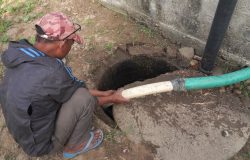
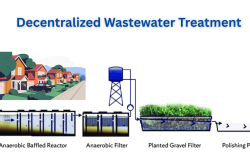
    Kailali: A technical fault has been identified at the fecal sludge treatment plant built in Tikapur, Kailali. The issue was discovered after the construction company operated the facility for two years and then handed it over to the municipality. The problem lies in the plant’s screening chamber, which is set hi...

  • Human Waste Management: A Path to Public Health and Clean Living

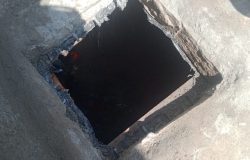
    Kathmandu : One day in Hanumandhoka, Kathmandu, tourists were exploring the historic sites. Suddenly, a foul smell spread from an old sewer nearby. A local remarked, “This stench is the reality of our city.It happens quite often.” That smell in the city was from human waste. We often treat the subject of human e...

  • Trust in the Board During Crisis: No Drinking Water Shortage Even Amid Drought

    Sarlahi: Due to prolonged drought in the Terai-Madhesh region, residents of Malangwa, the district headquarters of Sarlahi, and Bramhapuri Rural Municipality faced severe drinking water shortages, leaving them desperate for water. As the underground water level dropped and handpumps stopped functioning, locals were...

  • Agenda for Change Nepal Develops Three-Year Roadmap

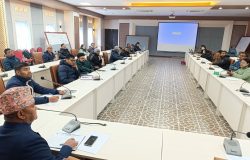
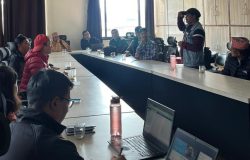
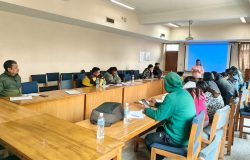
    Lalitpur: Agenda for Change Nepal has developed a roadmap for the coming three years (2025–2028). The roadmap was prepared with the participation of member organizations of the Agenda for Change Nepal Chapter as well as government officials, outlining the way forward until 2028. According to Seema Rajouria, Lead of ...

  • Dangerous microbes found in tap water in Kathmandu

    The Public Health Office, Kathmandu, has urged the public to boil water before drinking, after tests showed the presence of hazardous microbes in samples of drinking water. Officials say that water samples collected from Chandragiri, Nagarjun and Tokha municipalities on the fringes of Kathmandu Valley were found...

  • Importance of Legal Instruments for Safe Sanitation

    Safely managed sanitation is directly linked to public health, environmental protection, and social dignity. Unsafe disposal of human excreta contaminates water sources, spreads diseases, disrupts environmental balance, and undermines human rights. To address these challenges, legal instruments have been established ...